The Extended Panel of QTRACE® INDEL Assays with 34 additional markers available now

The Extended Panel of QTRACE® INDEL Assays with 34 additional markers available now

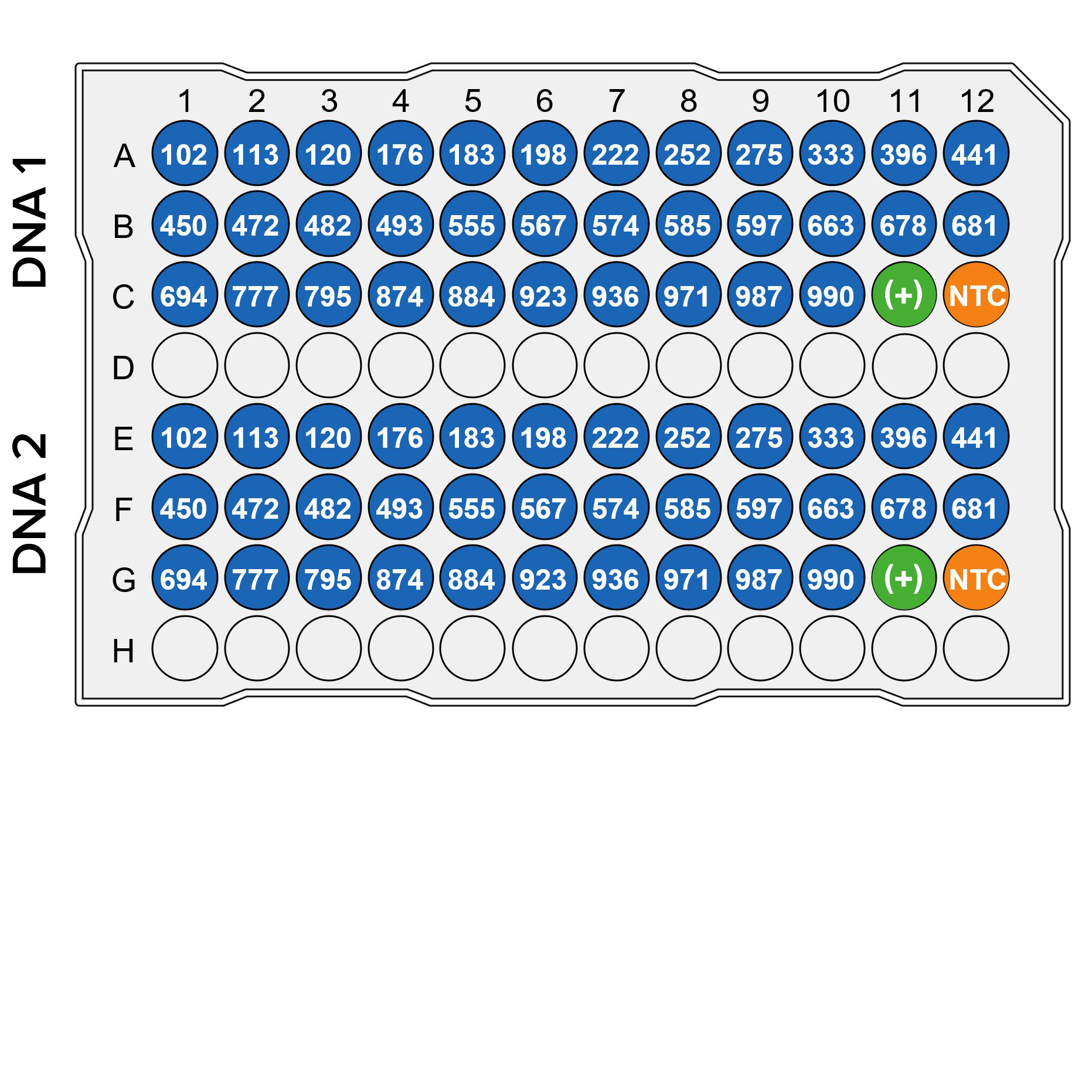
JETA Molecular is proud to introduce the Extended Panel of QTRACE® INDEL Assays with 34 additional markers designed for use in chimerism monitoring. This will significantly facilitate the choice of informative assays for chimerism monitoring and improve the follow-up of HSCT patients.

With a total number of 80 INDEL Assays, QTRACE® represents the broadest set of markers currently available on the market.

Read More

EFI 2020 in Glasgow Rescheduled to 2021 due to the Coronavirus Pandemic

EFI 2020 in Glasgow Rescheduled to 2021 due to the Coronavirus Pandemic

The organizers of EFI 2020 have decided to postpone the conference due to the current coronavirus pandemic. The new dates announced are Thursday 22nd April - Sunday 25th April 2021.

JETA Molecular has submitted two abstracts that have been selected for a poster presentation. One of the abstracts describes the analytical validation of dPCR assays for monitoring of chimerism, the other one focuses on the timely detection of HLA LOH relapses.

Read More

New Products: DigitalTRACE™ for dPCR Chimerism Monitoring and OrganTRACE® for Solid Organ Monitoring

New Products: DigitalTRACE™ for dPCR Chimerism Monitoring and OrganTRACE® for Solid Organ Monitoring


We strive to offer our customers best in class solutions for post-transplant monitoring to improve the quality of life for transplant recipients. Our new products enable for a particularly sensitive chimerism monitoring and for a non-invasive solid organ health monitoring. Both products will facilitate earlier detection of the disease and allow the initiation of timely therapeutic intervention.

Read More

New HLA TRACE™ Assays for Loss of HLA Heterozygosity Monitoring

New HLA TRACE™ Assays for Loss of HLA Heterozygosity Monitoring


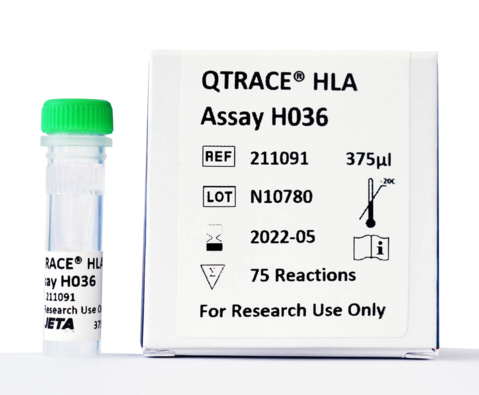
JETA Molecular is proud to introduce new assays designed for monitoring of the genomic loss of the mismatched HLA haplotype (HLA LOH) following haploidentical HSCT. This event occurs in an average of 33% of post-HSCT patients and is sufficient to allow relapse of leukemia. The HLA TRACE™ assays represent a sensitive solution for the detection of LOH and may form the basis for optimising patient-tailored therapy.

Read More